

It may seem like a global pandemic suddenly sparked a revolution to frequently wash your hands and keep them as clean as possible at all times, but this sound advice isn’t actually new. We’ve spent our whole lives being reminded by parents, doctors and teachers to scrub our hands to avoid the infections and illnesses caused by everything from bothersome to outright dangerous germs. Nonetheless, it was easy to develop lax hand washing habits in a pre-COVID world that didn’t seem quite so deadly.
Everyone now remembers the importance of frequently washing your hands — and doing it very well. If you want to really kill viruses and bacteria, a quick rub under running water won’t do the trick. It’s time for a refresher course on how to properly wash your hands throughout the day, not just when you’re eating or preparing food. Let’s take a look!
Is Washing Your Hands Really That Important?
For the skeptics out there who just can’t seem to sort through the conflicting claims made by the media, this is a very valid question. The answer is very simple if you shuffle aside all the “opinions” and focus on the real scientific facts provided by real medical experts. According to the Centers for Disease Control and Prevention (CDC) — an organization filled with renowned health experts — proper hand washing is one of the most important steps you can take to avoid getting sick and spreading germs and diseases to those around you.
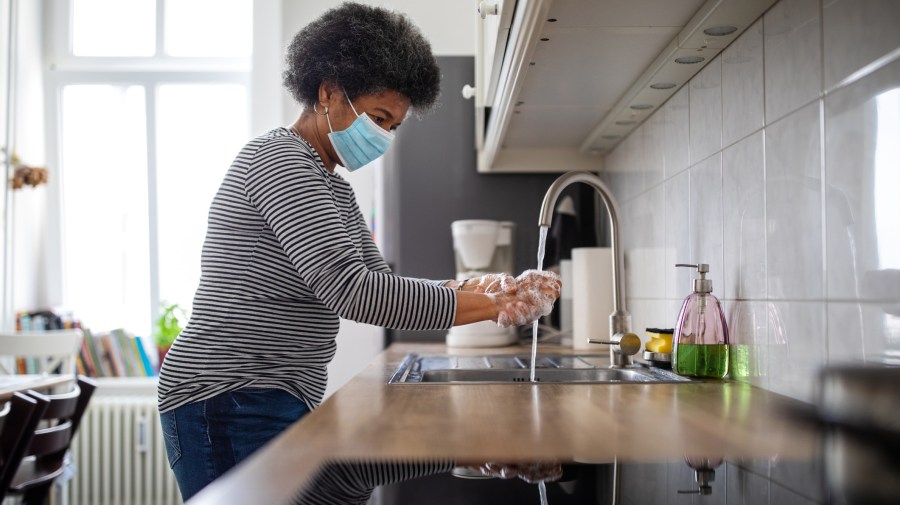
Don’t mistakenly believe that frequent hand washing and sanitizing is only necessary for kids who are constantly getting dirty or those who work with their hands in unsanitary conditions. This mandate is important for absolutely everyone, especially during the time of a worldwide health crisis. Bacteria, viruses and other germs and contaminants make their way onto almost any surface in some unbelievable places. Hand washing is the first simple line of defense against disease.
Follow the Steps to Properly Wash Your Hands
Like we mentioned, properly washing your hands to really eliminate germs is more complicated than wiggling your fingers under some running water. Start by using clean running water to get your hands wet, and then lather up your hands with a liquid, bar or powdered soap. Scrub the lather vigorously on the different parts of your hands — under your fingernails, on the backs of your palms, between your fingers, etc. — for at least 20 seconds. Yes, scrubbing the full time is important. If you’re tired of counting slowly to 20, try singing the “Happy Birthday” song in your head two times in a row.
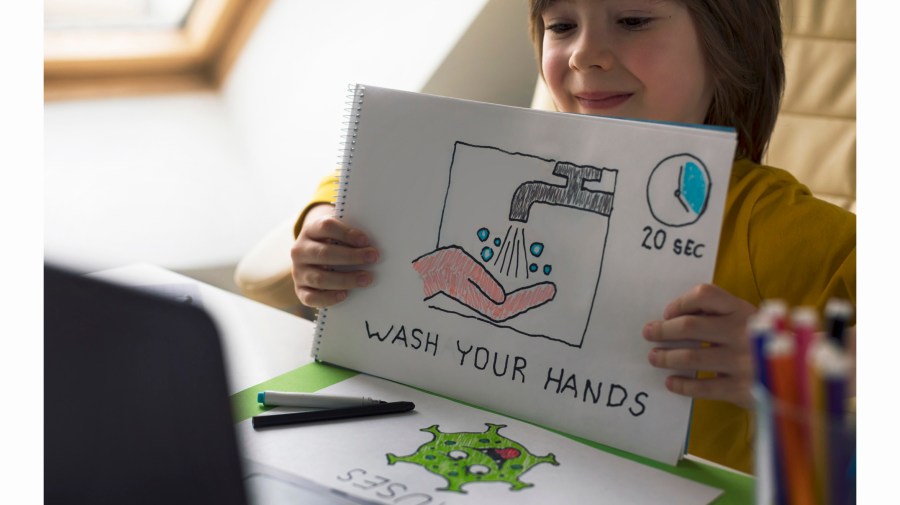
Rinse all the soap from your hands using clean running water, and then dry your hands thoroughly with a clean towel or an air dryer if you’re in a public restroom equipped with one. Hands-free drying options are potentially better. Use a disposable paper towel to turn off the faucet, if possible.
How Often Should You Wash Your Hands?
Unfortunately, words like “frequently” can be a little confusing when you’re trying to figure out a hand washing routine. Depending on what you’re doing, you won’t necessarily have to worry about finding a way to wash your hands every 30 minutes. If you sit at your desk and work alone without interruption and without touching anything that wasn’t already clean in your workspace, then you don’t need to worry about a set schedule for washing your hands. It will be more important to recognize specific occurrences that call for a proper hand washing, such as after you cough or sneeze into your hands or blow your nose into a tissue you’re holding.
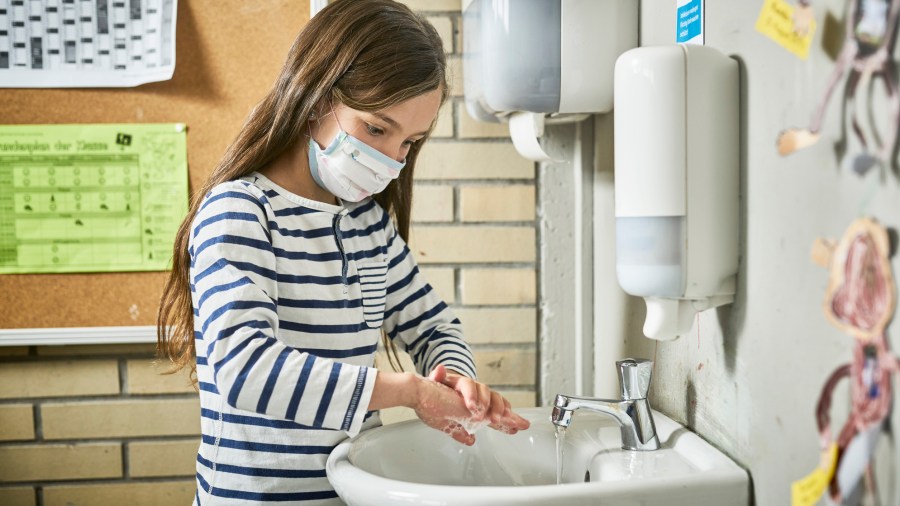
Whenever you handle or prepare food, including before and after preparation, you always want to use safe hand washing practices to ensure cooked foods aren’t contaminated by raw foods in addition to making sure germs from raw foods don’t make their way into your body. The same is true before you eat food. Always make sure your hands are germ-free before eating, even if you’re just opening a quick snack like a protein bar or yogurt cup.
Be sure to wash your hands before and after spending time near someone who is sick to minimize your risk of infecting them with additional germs as well as infecting yourself with their germs. The same concept applies when treating a cut or wound. Make sure your hands are germ-free before touching the cut and then thoroughly scrub away any germs you may have picked up from the wound.
Any activity related to the bathroom requires a good hand scrubbing. That includes helping a child use the restroom and changing a baby’s diaper as well as using the restroom yourself. Remember to adopt this practice for any bathroom, not just public facilities. Bathroom germs may be more prevalent in areas with more people, but they exist in any bathroom. The same rule applies to anything that is obviously unsanitary, such as cleaning up garbage and pet waste.
Keep a Backup Solution on Hand at All Times
Obviously, you won’t be able to predict or control every scenario that leaves you needing to wash your hands. You are sure to encounter situations when you really need to clean up, but no sink, soap and water are anywhere in sight. It’s not really convenient to carry a water bottle and soap with you, but you can easily carry a travel-sized hand sanitizer for both convenience and emergency situations. Just make sure the sanitizer you use is alcohol-based with at least 60% alcohol content.
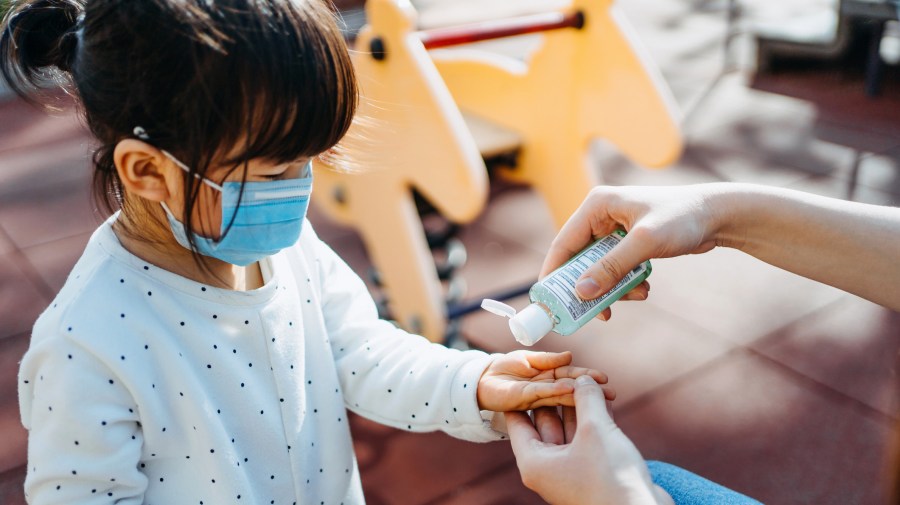
If you do get caught off guard, check out your surroundings. Many public places like malls and grocery stores have installed hand sanitizer dispensers for the convenience of their customers. However, keep in mind that even hand sanitizers with the appropriate alcohol content don’t eliminate all types of germs and shouldn’t be used as a substitute for washing your hands if a sink and soap are nearby. Additionally, hands that are very dirty or greasy are hard to clean properly with hand sanitizers.
To achieve the best results with a hand sanitizer, start by applying enough sanitizer on one palm to completely cover both hands when rubbed together. Just like with soap, be sure to rub the hand sanitizer between all your fingers, under your fingernails and along the backs of your hands and wrists. Don’t stop rubbing until your hands and fingers are completely dry — and don’t touch your eyes with alcohol residue on your fingers. Ouch!
Sources:
https://www.cdc.gov/handwashing/index.html
https://www.cdc.gov/handwashing/when-how-handwashing.html
https://www.cdc.gov/handwashing/show-me-the-science-handwashing.html
https://www.mayoclinic.org/healthy-lifestyle/adult-health/in-depth/hand-washing/art-20046253?pg=2